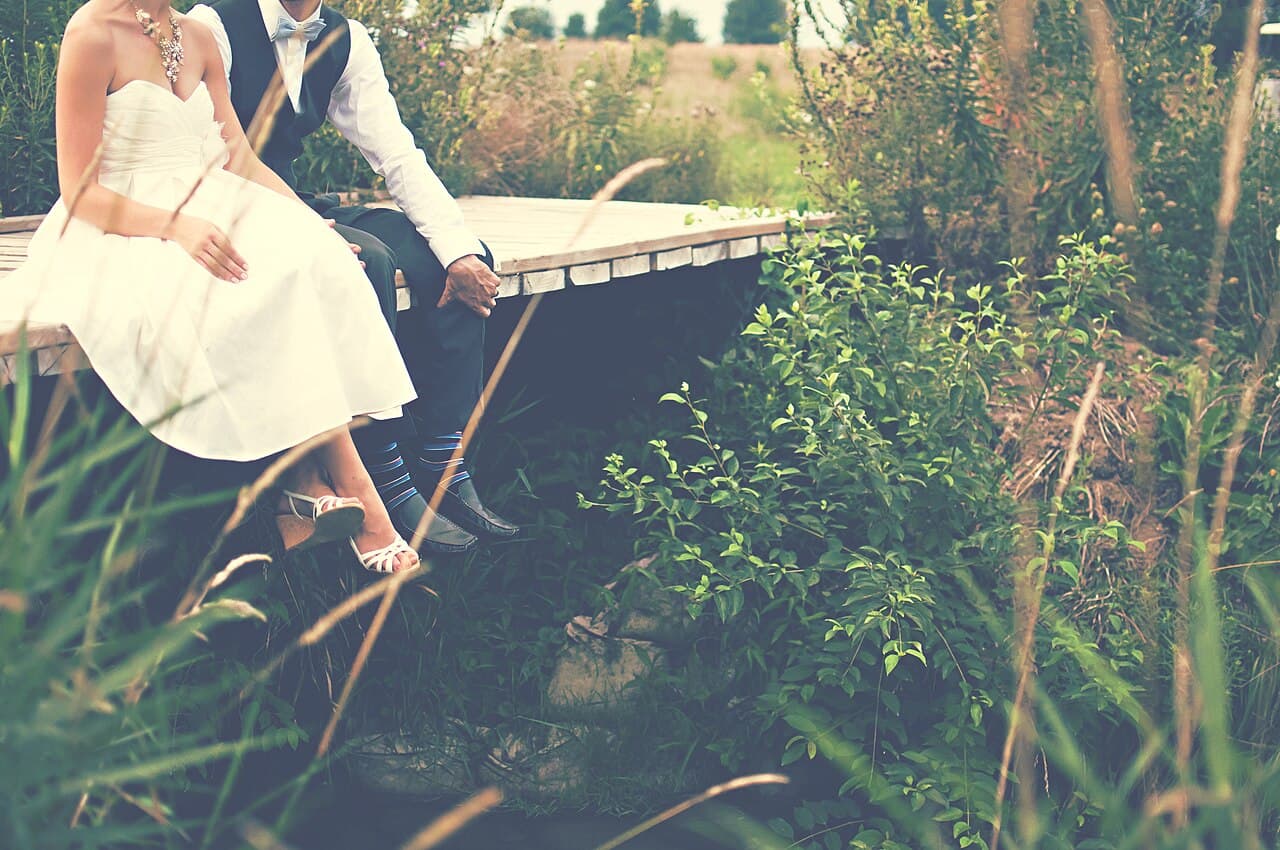
An outdoor wedding in North Carolina can be spectacular: pines and live oaks in the Piedmont, rolling farmland, lake edges, gardens and marshes. It can also be sticky, buggy and suddenly wet. The good news is that most of the problems are predictable, and a few smart decisions about timing, shelter and vendors will handle them. This guide walks through the weather patterns to plan around and the practical fixes that work.
Know what your season and region are likely to do
Summers across most of the state are hot and humid, and the heat tends to peak in the afternoon. Warm-season thunderstorms often build in the afternoon and evening, which means a 4 p.m. ceremony in July is more exposed than a 10 a.m. one. Spring brings comfortable temperatures but also heavy tree pollen, especially the yellow pine pollen that coats cars and patios. Fall is a favorite for many couples because the air is usually drier and more comfortable, though the Atlantic hurricane season runs through November 30 and can affect the whole state. Winter outdoor ceremonies are possible but need heaters, blankets and a short program.
Geography matters too. The coast is breezy and humid, with sea breezes that can cool an evening but also whip veils and centerpieces around. The Piedmont around Raleigh, Charlotte and Greensboro can feel very warm on summer afternoons. The mountains run cooler, with their own quick-changing weather. For the specifics of high country planning, see our guide to mountain weddings in North Carolina, and for coastal storm season, read hurricane season and coastal weddings.
Choose your timeline around the heat
The single most effective tool against summer heat is the clock. Ask your photographer and planner to help you build a schedule that puts the ceremony later, once the sun is lower and the venue has shade, or earlier in the day. Golden hour is beautiful, but the hour before it can be the hottest time your guests will spend standing still, so shade, seating and a short ceremony matter.
- Keep the ceremony to 15 to 25 minutes in warm months, and seat elderly guests in shade.
- Offer water, hand fans, parasols or sunglasses at the ceremony entrance, and consider a cool drink at arrival.
- Plan an indoor or shaded cocktail hour so guests can cool off before dinner.
- Pick lighter fabrics and breathable layers for the wedding party, and tell guests the dress code and setting ahead of time.
- Build in buffer time for photos so no one rushes portraits at the hottest moment.
Write a real rain and storm plan
A backup plan is not a sign of pessimism. It is part of the deal with an outdoor site. The best version is a fully designed alternative, not a scramble: a ballroom, barn, covered pavilion or tent that you have seen, sized for your guest count and paired with a clear decision deadline. Ask your venue in writing where the ceremony moves, how quickly it can be reset, and who decides. Many couples set the call for the morning of the wedding, with an earlier heads-up to key vendors.
Lightning is the part of a storm you cannot work around. The National Weather Service advises that when thunder is heard, you are close enough to be struck, and to wait about 30 minutes after the last thunder before returning outdoors. Build that into your plan: a designated person watches radar, your planner has authority to pause the ceremony, and guests know where shelter is. A tent protects from rain and sun, but standard tents are not lightning shelters, so plan for a sturdy building nearby. If you are hiring a planner or day-of coordinator, browse wedding planners and coordinators, since managing exactly this kind of decision is a big part of their value.
Rent smart: tents, fans, flooring and lighting
Rental choices make or break an outdoor day. A tent with sidewalls you can open or close gives you rain protection and airflow. Ask the company about ground conditions, since stakes, weights and drainage vary, and whether wet grass will be a problem for heels and dance floors. Flooring, fans, misting equipment and lighting can change guest comfort more than expensive decor. You can compare options in rentals and decor. Prices vary a lot by tent size, region, season and what you add, so ask for itemized quotes rather than relying on a rule of thumb.
Consider your venue type as well. Some sites are built for weather, with covered porches, glass-walled pavilions and indoor rooms with garden views. Our guide to North Carolina wedding venue types explains what each style includes, and you can browse wedding venues to find ones with a strong rain plan.
Protect hair, makeup, flowers, cake and food
Humidity is tough on blowouts, and heat can melt makeup and wilt blooms. Tell your hair and makeup artist that the day is outdoors and humid, and ask about long-wear products, setting spray and touch-up kits. Practice the style during the trial in similar conditions if you can; our trial guide covers what to bring.
Your florist can steer you toward sturdier flowers for warm months and keep arrangements in shade or cooler storage until the last moment; read our seasonal flower guide for ideas. Buttercream and whipped-cream fillings do poorly in heat, so tell your baker where the cake will sit and for how long, and see the cake and dessert guide. Your caterer also needs a plan for holding food safely outdoors, with shaded stations and the right equipment.
Talk to your photographer and other vendors early
Overcast skies and even light rain can make lovely photos, and an experienced photographer will know how to use them. Ask whether they carry weather protection for gear, how they handle a sudden move indoors and whether the timeline can shift. Musicians and DJs need covered, dry equipment locations and power that will not trip in a storm, so ask them about that as well. Put weather rules into every contract: who can call a delay, what happens if the ceremony moves, and whether your vendor's hours can extend. Our guide to reading a wedding vendor contract highlights the clauses that matter.
Finally, tell your guests. A short note on your wedding website that says the ceremony is outdoors, mentions shoe choices for grass and explains the backup plan saves confusion. If you are comparing outdoor-friendly options in your area, start with the pages for Raleigh, Asheville or Wilmington, or use search to filter by what you need.