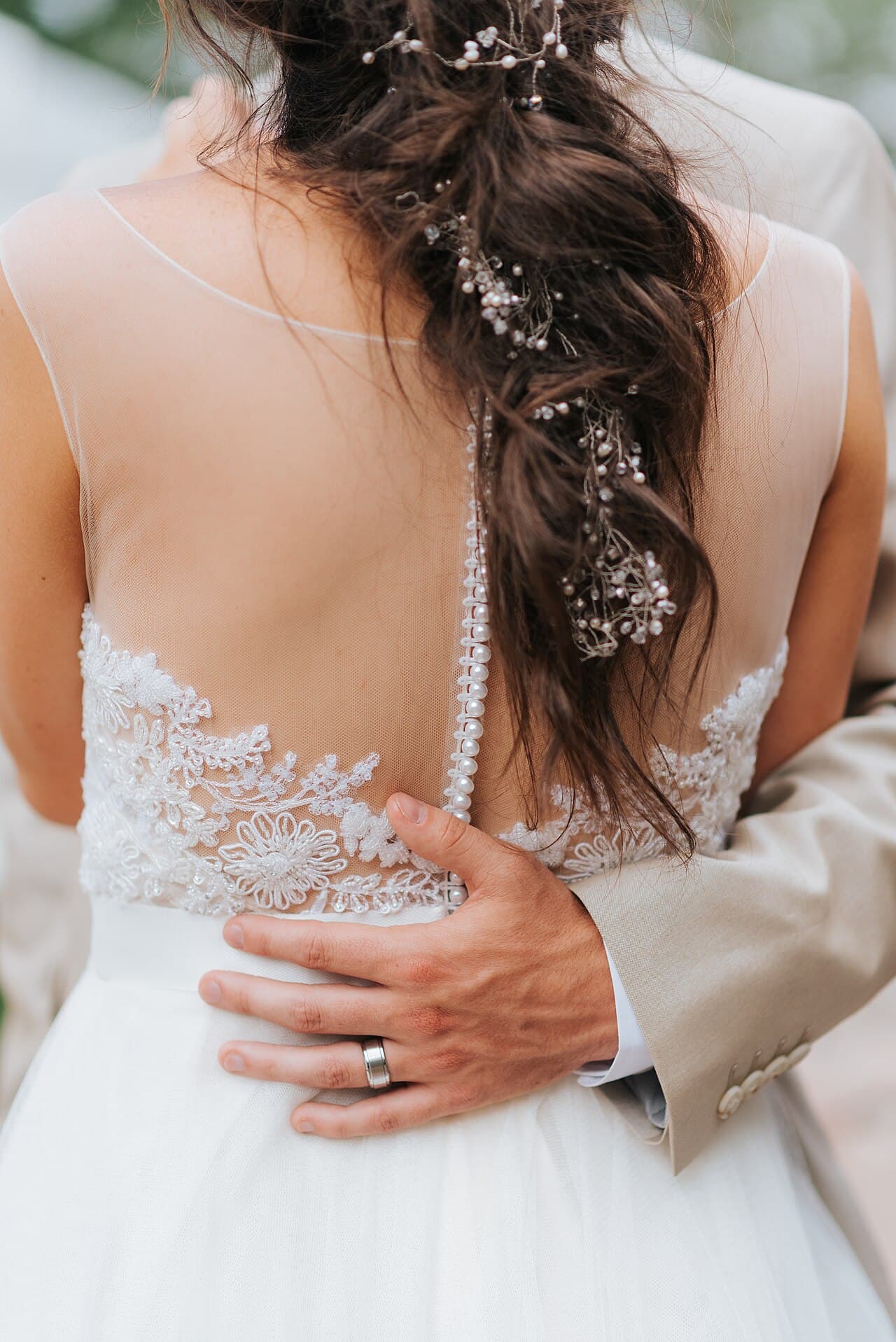
Your hair and makeup will be in almost every photo from the day, so it is worth knowing how they will look before you are standing in front of a mirror on your wedding morning. A trial lets you test the look, ask questions and make changes while there is still time. Here is how to get the most out of it.
What a trial actually is
A trial is a practice session with your hair and makeup artist, usually held weeks before the wedding. Some artists do hair and makeup together, while others specialize in one or the other, so you may have separate trials with separate people. During the session, you work through the style you have in mind, see how it looks with your outfit and discuss adjustments. It is also a chance to see whether you feel comfortable with the person who will be with you on a busy morning.
When to schedule it
Many couples schedule a trial a few weeks to a couple of months before the wedding, which leaves time to try again if you want changes. Timing also helps you see how your skin and hair are behaving closer to the date. If you plan to change your hair color, cut or skin care routine, do it before the trial, not after, so the artist is working with what will actually be there on the day. Book your artist early, since popular ones often fill up for peak weekends. Our planning timeline can help you place this in your calendar.
What to bring
Coming prepared makes the session more productive. Bring images of the look you like, and just as importantly, images of looks you do not like. If you have a veil, headpiece or hair accessories, bring them. Wear a top with a similar neckline to your dress, so you can see how the style frames your face and shoulders. Photos of your dress help too.
- Inspiration photos, including what you do not want
- Your veil, hair pieces, jewelry or headpiece if you have chosen them
- A photo of your dress, or a top with a similar neckline
- Your usual skin care and makeup habits, and any allergies or sensitivities
- A clean, dry face for makeup and clean, dry hair for styling, unless the artist tells you otherwise
How to give useful feedback
Be specific rather than general. Saying that you want your hair looser, higher or more polished gives your artist something to work with. If a look does not feel like you, say so, and remember that it is normal to adjust. Take photos in natural light and in the type of lighting your ceremony will have, since makeup can look different indoors and out. If you can, ask a trusted friend to come along and take pictures, but limit the number of opinions so you do not end up with conflicting advice.
Planning for humidity and heat
North Carolina summers are hot and humid, and humidity can wilt curls, add frizz and shift makeup. If your wedding is outdoors or in warm weather, tell your artist so they can plan for it. A good artist will recommend products and techniques that help a look hold up, such as setting sprays, primers and specific styling methods. Ask about a plan for touch-ups during the day, and consider whether you want to keep a small kit on hand. Our guide to outdoor weddings in North Carolina has more on planning for the conditions. If you are getting married on the coast, the same principles apply, and wind is another factor to consider.
Bridal party, costs and contracts
If your artist will also work on your bridal party or family members, ask how services are structured. Some artists bring assistants for larger groups, while others limit the number of people they can style. Make sure you understand the timeline for the morning, including how long each person will take, and build in extra time for photos, getting dressed and any delays. It is often worth asking whether the artist can style the bridal party at a studio or whether they need to travel to your getting-ready location, which may involve extra fees.
Pricing varies widely by artist, region and services, and it often includes separate fees for the trial, the wedding-day service, additional people and travel. Get a written breakdown so you know what is included. Trials are commonly paid for separately from the wedding-day service, though some artists include one in a package, so ask up front. It is also wise to understand deposit, cancellation and rescheduling policies before you commit. Our guide to reading a wedding vendor contract explains what to look for, and our vendor cost guide can help you plan a budget. Do not forget gratuity, which is covered in our post on tipping wedding vendors.
Questions to ask your artist
- Do you specialize in hair, makeup or both, and can I see full-face and full-style examples?
- What is your experience with my hair type, skin tone and skin concerns?
- Do you use products suitable for sensitive skin, and what are your sanitation practices?
- Can you travel to my getting-ready location, and are there travel fees?
- What is your backup plan if you are unavailable on the wedding day?
- Will you stay for touch-ups, and is that an additional cost?
If you are still looking for an artist, you can browse hair and makeup professionals in the directory or search by city, including Raleigh, Charlotte and Asheville. Take a few photos of your favorite look after the trial, book any follow-up adjustments and keep those images handy so your artist can recreate them on the day.