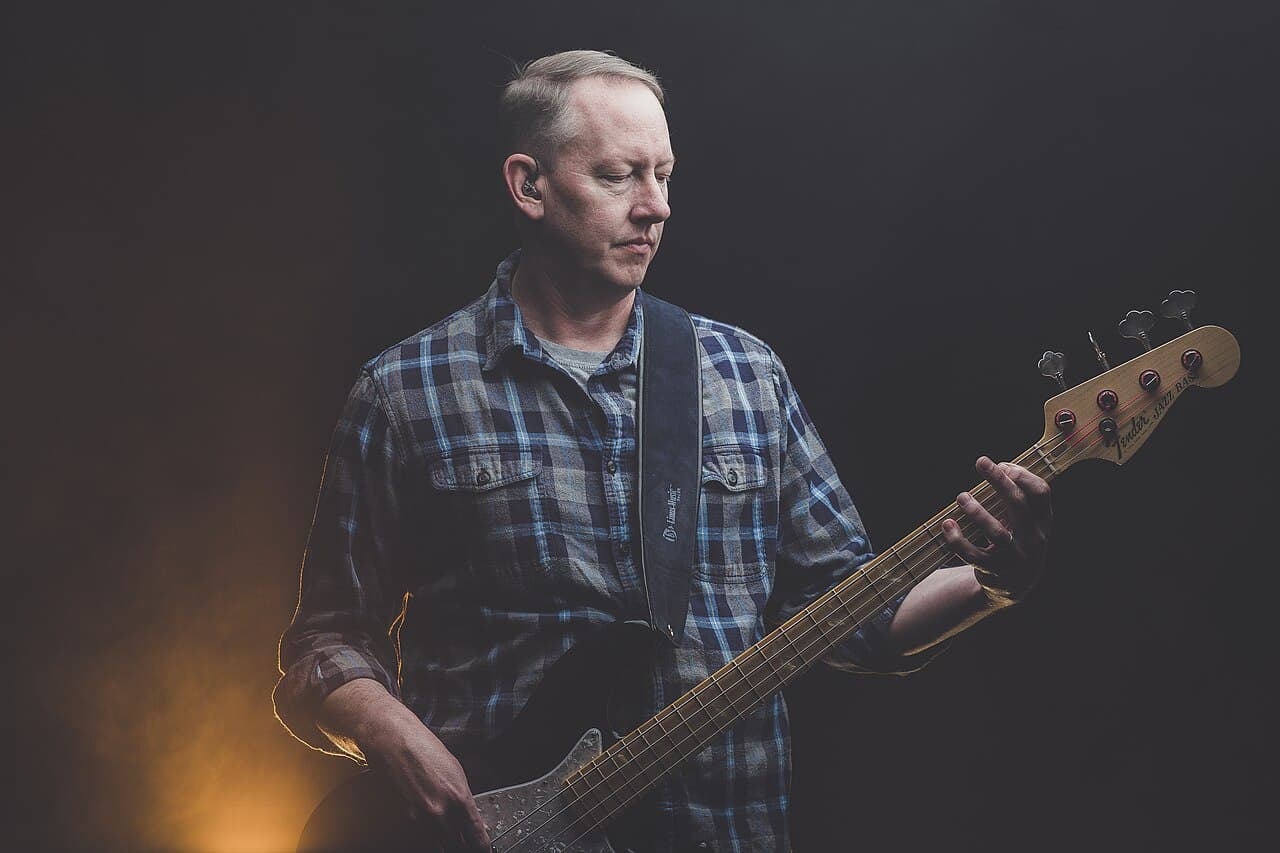
The music is what people remember about a reception long after they have forgotten the centerpieces. Both a DJ and a live band can fill a dance floor, but they get there differently, and the right choice depends on your guest list, your venue and what you want the night to feel like. Here is a practical way to decide.
What each option actually gives you
A wedding DJ plays recorded music through a sound system, usually blending songs so the energy never drops. Most also act as your master of ceremonies, announcing introductions, the first dance, toasts and the cake cutting. Because they can play any song ever recorded, they can jump from a 1960s soul track to a current pop hit in a few seconds.
A live band brings musicians, instruments and stage presence. You get real vocals, real solos and the kind of energy that comes from watching people perform. The trade-off is that a band has a repertoire. It can play what it has rehearsed, in the style it plays, and a few song requests may simply fall outside what the group does.
How the costs compare
In general, a live band costs more than a DJ, because you are paying several musicians rather than one or two people, plus the gear and travel that come with them. Exact numbers vary widely by vendor, season and region, so treat any figure you see online as a rough starting point. Our North Carolina vendor cost guide is a good place to get oriented before you start requesting quotes.
These are the main things that move the price of either option:
- Hours of performance, including setup and breakdown time that may not count toward the clock
- Number of musicians (for a band) or whether you add an associate, lighting or a second speaker setup (for a DJ)
- Whether the same person also handles your ceremony audio and cocktail hour
- Travel distance, especially for mountain and coastal venues that are far from major cities
- Peak-season Saturdays in spring and fall, which generally book first and cost the most
When a DJ is the better fit
A DJ tends to shine when your taste is wide-ranging. If your guest list spans grandparents, college friends and small cousins, and you want a little of everything, a good DJ can read the room and adjust. They are also the more flexible choice for smaller venues, since a sound system takes up far less space than a drum kit, amps and a horn section.
- Your playlist includes a lot of specific songs and original recordings you want to hear exactly as released
- The venue is compact, has strict volume limits or has no stage area
- You want one professional to handle announcements and timeline cues
- Your budget for entertainment is modest and you would rather spend elsewhere
- You want music that covers the ceremony, cocktail hour and reception without extra coordination
When a live band is the better fit
A band is a great choice if you want the reception to feel like a concert. Guests tend to gather near the stage, and a strong front person can pull hesitant dancers onto the floor. Bands also add a sense of occasion that a playlist does not, which matters to couples who care about atmosphere over an exhaustive song list.
- You and your guests love a specific genre, such as soul, rock, country or jazz, and want a group that does it well
- The venue has room for a stage and a power supply that can handle the equipment
- You want a memorable centerpiece for the evening rather than background support
- You are comfortable with a set list that may not include every request
Local flavor to consider in North Carolina
Music tastes vary across the state. In the eastern half of the Carolinas, beach music and shag dancing are a beloved part of the culture, and many couples in and around Wilmington and the coast build a dance set around it. In the mountains, bluegrass and Americana groups are a natural match for barn and farm settings, and in larger metro areas like Charlotte and Raleigh you will find a wider mix of cover bands, horn-driven party groups and jazz ensembles. If regional flavor matters to you, mention it in your first conversation and ask whether the vendor has experience with it.
The hybrid option and other middle paths
You do not have to choose one or the other for the whole night. Many couples hire a solo musician or a small acoustic group for the ceremony and cocktail hour, then switch to a DJ for the dance floor. Others book a band for the first stretch of the reception and let a DJ take over for the late-night set, which stretches the budget while keeping the live energy at the start. Some DJs also offer add-ons such as a live instrumentalist playing alongside their set, so it is worth asking what combinations a vendor can handle.
What to ask before you book
Whichever direction you lean, the vetting process is similar. Watch or listen to full-length performances rather than only a highlight reel, and ask how they handle a crowd that is slow to warm up. Our list of questions to ask on a first call covers the general ground, and a few music-specific points are worth adding:
- Can you share a do-not-play list and a must-play list, and how firmly will you follow them?
- What is your backup plan if a musician or piece of equipment is unavailable on the day?
- What power, space and setup time do you need at the venue?
- Are breaks built into the schedule, and what plays during them?
- Do you carry insurance, and does the venue require proof of it?
Finally, read the agreement closely before you sign. Overtime rates, cancellation terms and what happens if the performer cannot attend are all things to understand upfront, and our guide to reading a wedding vendor contract walks through what to look for. When you are ready to compare options, you can browse DJs and MCs and live bands side by side in the directory.