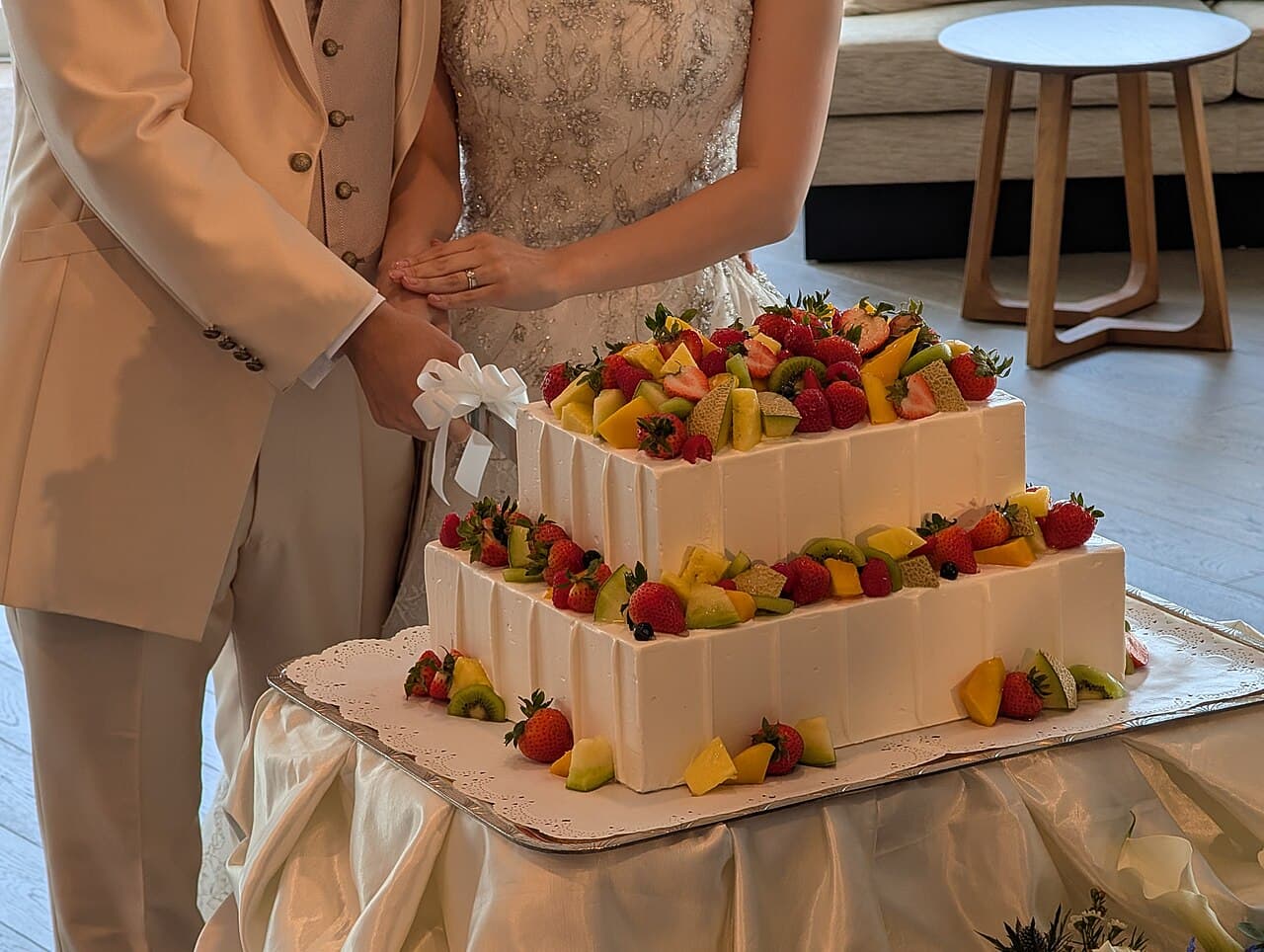
A wedding cake is one of the most photographed items of the day, and it also has to taste good, travel safely and survive a warm reception. That is a lot to ask of a few layers of sponge and frosting. This guide walks through the choices that matter, from finding a baker to deciding whether you need a cake at all.
Cake, dessert table or both?
Traditionally, the cake is the dessert, but many couples now mix things up. Your options include a classic tiered cake, a smaller display cake paired with sheet cakes in the kitchen, or a dessert spread featuring cupcakes, cookies, pies, donuts or regional favorites. A display cake plus a backup sheet cake can be a smart way to get the look of a large cake without paying for it in every layer.
Think about how you want dessert to work at the reception. A cake-cutting moment is a photo-friendly ritual, while a dessert table invites guests to graze through the evening. Some couples also like to include a late-night snack, which works with sweets or savory foods depending on your caterer. If your caterer also handles desserts, ask whether that is included in their pricing, and check what the venue allows.
Finding and vetting a baker
Start by browsing bakeries and cake designers in your area, then look at photos of full cakes rather than only close-ups. Ask about their booking lead time, since popular bakers can fill up for peak dates. Many wedding bakers also cap the number of weddings they accept per weekend, so it is worth reaching out early. The steps in our vendor vetting checklist apply here too, including confirming licensing, insurance and references.
Ask about their kitchen setup as well. In North Carolina, commercial food businesses generally need to operate under local health department oversight, and some home-based bakers may be subject to different rules. If you are unsure about a baker's status, ask them directly and check with your local health department for the requirements that apply where you live.
What affects the price
Cake pricing varies widely by baker, region and design, and most bakers price by the serving. Rather than fixate on a number, focus on what raises or lowers the total, and get an itemized quote so you can compare. Our vendor cost guide has more on how to evaluate quotes.
- Number of servings and how many tiers you want
- Design complexity, such as sugar flowers, hand painting, intricate piping or metallic finishes
- Fillings and flavors, since specialty ingredients can raise the price
- Delivery, setup and any travel distance to remote venues
- Cake stands, boards and other rentals, which may be separate charges
- Cake cutting fees, which some venues or caterers add if you bring in an outside cake
Planning servings and saving money
Your baker can help you estimate how many servings you need based on your guest count and whether other desserts will be available. A common way to save is to order a smaller display cake for the cutting and serve guests from sheet cakes of the same flavor prepared in the kitchen. Keep a small top tier aside if you plan to freeze it for an anniversary, and ask your baker how to store it and what packaging they recommend.
Tastings and flavors
Most bakers offer a tasting, sometimes for a fee that may be credited toward your order. Come with a sense of the flavors you like but be open to suggestions, since a baker knows which combinations hold up well in tiers and in warm rooms. Consider offering guests something a little familiar alongside anything adventurous. In the South, flavors such as red velvet, lemon, pound cake, banana pudding and caramel are all common favorites, so do not be afraid to lean into regional tastes if they suit you.
Dietary needs and allergies
If any of your guests have allergies or dietary restrictions, tell your baker early. Options like gluten-free, dairy-free, egg-free or nut-free cakes are widely offered, but cross-contact is a real concern in a kitchen that handles many ingredients. Ask how the baker prevents cross-contact, whether they can label desserts clearly and whether they can prepare a small separate cake for guests with serious allergies. For a severe allergy, the safest approach is to have a direct conversation with the guest about what they are comfortable eating.
Heat, humidity and delivery day
Warm weather is the biggest enemy of a wedding cake. Buttercream can soften in heat, and fondant can sweat in humidity, especially at outdoor receptions in summer. Ask your baker what they recommend for your season and venue, and whether they use a sturdier frosting for outdoor events. Our guide to outdoor weddings in North Carolina covers how to plan around weather more generally.
- Keep the cake indoors or in the shade until it is time to display it
- Confirm that the venue has a table, refrigeration space and a clear path for delivery
- Ask the baker who is responsible for setup and whether they charge for it
- Assign a person, or ask your planner or coordinator, to handle the cake cutting timing and any leftover boxing
Book your baker several months out, especially for spring and fall weekends. If you are still working out your schedule, our wedding planning timeline can help you pick a sensible window. When you are ready to compare options, browse bakeries and cakes in the directory to get started.