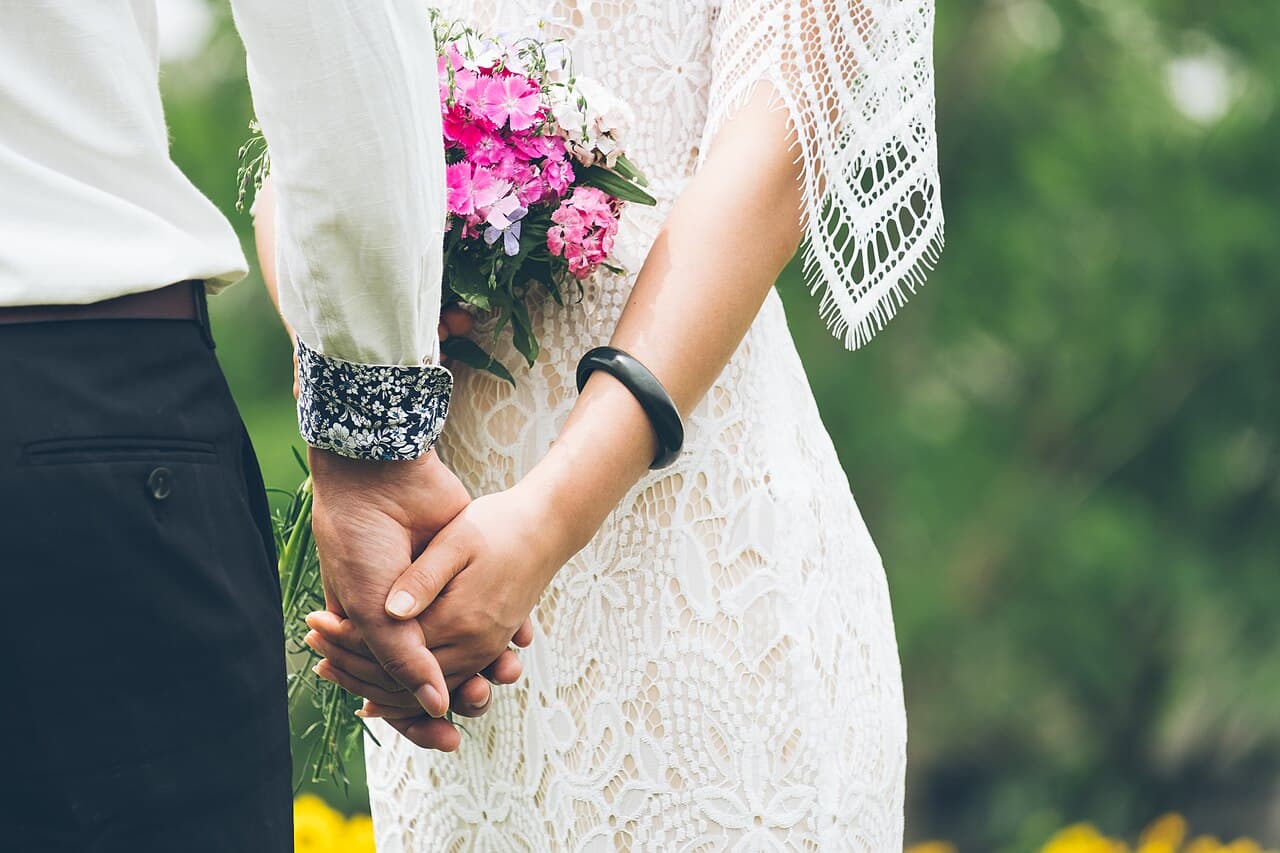
A smaller wedding is not a lesser wedding. Many couples choose a micro wedding, with a few dozen guests or fewer, or an elopement, with just the couple and a couple of witnesses, because it gives them freedom: a mountain overlook at sunrise, a garden ceremony with family, a beach at dusk. North Carolina has the scenery and the vendor community to support it. This guide covers the difference between the two, the legal must-dos and how to spend a smaller budget well.
Micro wedding, elopement and courthouse: what is the difference?
These terms overlap, and there is no official definition. A micro wedding usually means a full but compact celebration with a short guest list, often with a meal, music and a real reception. An elopement is typically a ceremony with only the couple, an officiant, a photographer and any required witnesses, sometimes followed by a private dinner. A courthouse or magistrate ceremony is the simplest legal option, and some couples pair it with a small party afterward.
Whichever you choose, the legal requirements are the same. You still need a marriage license from a county Register of Deeds, the ceremony must be performed by someone authorized to solemnize marriages in North Carolina and at least two witnesses must be present. Our marriage license and legal basics guide lays out each step, and it is worth reading before you book a remote location, because skipping a step can cause real problems with your marriage record.
Choose a location that fits the size
North Carolina offers a wide range for small ceremonies. Coastal towns have beaches and sound-side sites, the Piedmont has gardens, farms and downtown rooftops, and the mountains have overlooks, lodges and creeksides. Our mountain wedding guide and coastal wedding guide cover the season and weather issues for each region.
- Small venues and estates: many wedding venues offer smaller-event packages or weekday rates, so ask.
- Restaurants and private dining rooms: convenient, with food and service included.
- Public spaces: parks, beaches, gardens and trails are appealing, but many require permits, have group-size limits or restrict decor and amplified music. Always check with the managing agency or town first.
- Private property: a family home, cabin or short-term rental can work, but confirm the owner's rules, capacity and any local restrictions on events.
Popular places can be crowded, so ask about days and times when you will have privacy. Weekdays and off-peak hours are often easier to book, and prices vary by region, season and vendor, so ask for quotes instead of assuming a smaller day means a much smaller bill.
Spend where a small day feels big
With fewer guests, your per-person budget can go further. Many couples put more into food, drink and the guest experience, since cost drivers like catering and rentals scale with headcount. Our guide to building a wedding budget shows how to allocate, and the vendor cost guide explains what drives pricing. Keep in mind that some vendors have minimums or flat fees that do not shrink with a small guest list, so ask before you assume savings.
Photography often becomes the star of a small wedding, since the photos and any video are what you keep. A photographer who specializes in elopements will know how to scout locations, work with light and handle logistics. Read how to choose a wedding photographer for what to ask. An officiant can help you write a personal ceremony, and confirm they are authorized in North Carolina. A florist can create a bouquet and a few statement arrangements without a full event order, and a baker can make a small cake for the two of you or a few guests.
Do you still need a planner or coordinator?
A small wedding has fewer moving parts, but not none. If you are traveling to a remote site or coordinating permits, timing and vendors, a planner or coordinator can save you stress, and some offer elopement packages. Our guide to what a wedding planner does can help you decide. At minimum, assign someone you trust to handle the timeline, vendor arrivals and cleanup so that you can stay present.
Include everyone else without a big event
One of the biggest emotional questions is who is in the room. Decide early, and communicate kindly. Some couples share the news after the ceremony, some livestream the vows and some host a casual party later for the wider circle. A later celebration can be simple: a backyard cookout, a restaurant buyout or a dessert reception, and you can find caterers, DJs and photo booths for it. If you are eloping without guests, you might send announcements afterward through an invitation and stationery designer.
Whatever the size, book early for popular dates and get every agreement in writing. To browse teams, start with your nearest city, such as Asheville, Wilmington or Raleigh, or use search to filter by category.